
Seasonal Thoughts on The Spirit Of Halloween
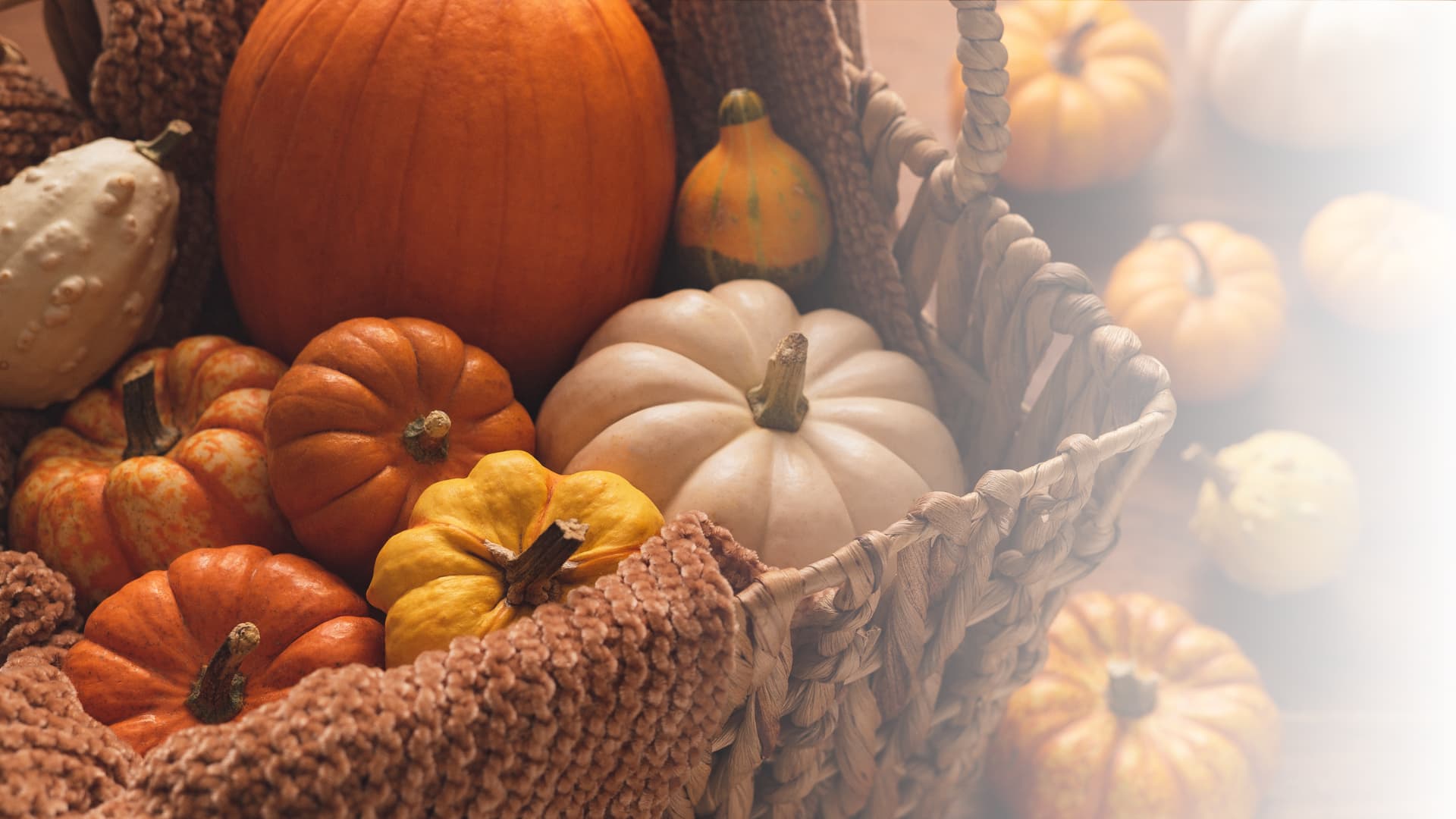
Soup, pie and pudding can all come from pumpkins! It has been popular to carve them into various faces or beacons, but why and what should Christians make of it?
Key Scripture: “For we wrestle not against flesh and blood, but against principalities, against powers, against the rulers of the darkness of this world…” (Ephesians 6:12)
A clear Christian perspective on Halloween begins with three pillars: (1) where it came from, (2) what Scripture warns about, and (3) how believers can respond with wisdom, holiness, and hope.
1. How Halloween Began — Its Spiritual Roots
The strongest historical consensus is that Halloween inherits its DNA from the pagan Celtic festival Samhain. During Samhain, Druids believed the boundary between the living and the dead thinned, spirits roamed, and people used disguises, bonfires, and offerings to appease or evade them.
As the Roman Empire absorbed Celtic regions, Samhain blended with Feralia (honouring the dead) and Pomona (a fruit/fertility festival). This is why apples, necromancy themes, and harvest imagery remain part of Halloween today.
Key point: Halloween’s earliest practices were not neutral cultural customs but attempts to interact with the unseen world—something Scripture consistently forbids.
2. Why Christians Should Be Cautious — Biblical Warnings
The Bible never mentions Halloween directly, but it speaks clearly about the themes at its core: witchcraft, divination, consulting the dead, and celebrating darkness.
Explicit prohibitions
- Deuteronomy 18:10–12 — forbids divination, sorcery, omens, witchcraft, spells, mediums, spiritists, and necromancy.
- Leviticus 19:31 — “Do not turn to mediums or familiar spirits.”
- Isaiah 8:19 — “Should not a people seek their God?”
- Ephesians 5:11 — “Have nothing to do with the fruitless deeds of darkness.”
- Ephesians 6:12 — “We wrestle… against the rulers of the darkness of this world.”
Why this matters for Halloween
Modern Halloween often normalises occult imagery—witches, ghosts, demons, divination, spell‑casting, necromancy, and fascination with fear. Even if many treat it as harmless fun, Scripture warns that spiritual darkness is never harmless.
Contemporary marketing of these themes to children leads them into spiritual danger and away from safety. The Bible calls believers to be set apart (Leviticus 20:26) and to walk as children of light (Ephesians 5:8).
3. A Parable of Deception — Edmund and the Turkish Delight
C.S. Lewis’ The Lion, the Witch and the Wardrobe gives a powerful picture of spiritual seduction:
- Edmund is lured by the White Witch with Turkish Delight.
- The treat is sweet, but it binds him, blinds him, and leads him into betrayal.
- The Witch’s agenda is hidden behind something attractive.
Halloween often works the same way: a sweet surface masking a darker spiritual narrative. The enemy rarely begins with overt evil—he begins with appeal, curiosity, and imitation (2 Corinthians 11:14). Edmund’s story reminds us: not everything that looks fun is spiritually safe.
4. The Dark Agenda Behind Pumpkins & Popular Culture
Pumpkins themselves are not evil—but the jack‑o’-lantern tradition historically symbolised warding off spirits during Samhain. Modern culture often uses Halloween to:
- glamorise witchcraft
- trivialise demons
- desensitise children to darkness
- celebrate fear
- blur the line between entertainment and occult fascination
This is not accidental. Halloween has become a global commercial engine shaping the moral imagination of young people. Scripture warns that behind idols and false spiritual practices lie demonic powers (1 Corinthians 10:20). Halloween’s imagery often aligns with these themes.
5. The Christian Alternative — Light, Holiness & All Saints’ Day
Historically, the Church responded to Samhain with All Saints’ Day (Nov 1) and All Souls’ Day (Nov 2)—days honouring the faithful believers who lived holy lives, resisted darkness, and shone Christ’s light.
Instead of fear, Christians celebrated:
- the victory of Christ over death
- the faithfulness of the saints who have gone before
- the hope of resurrection
- the triumph of light over darkness
This contrast remains powerful today.
6. How Christians Can Respond Today (Practical Options)
Option A — Abstain with Grace
Some families avoid Halloween entirely, choosing not to participate in anything that promotes occult themes. This is a valid, biblical choice.
Option B — Redeem the Day
Many churches host:
- Light parties
- Harvest festivals
- Community outreach
- Gospel‑centred events
- Tract‑giving with sweets These allow believers to shine Christ’s love while avoiding occult symbolism.
Option C — Participate Wisely
Some Christians allow limited participation (e.g., non-occult costumes, neighbourly kindness) while avoiding anything that glorifies darkness. Scripture calls for discernment and doing everything “to the glory of God” (1 Corinthians 10:31).
7. A Final Word — The Battle Behind the Holiday
Halloween is not just cultural; it is spiritually symbolic. Ephesians 6 reminds us that our battle is not against people or pumpkins but against spiritual forces of darkness.
Christians are called to:
- Reject occult practices
- Walk in the light
- Guard their children’s hearts
- Stand firm in truth
- Shine Christ’s hope in a fearful world
Booster Summary
Halloween began in pagan attempts to interact with spirits. Scripture warns clearly against all occult practices. Modern culture often disguises darkness as entertainment. Christians can respond with holiness, wisdom, and light. All Saints’ Day reminds us: Christ has already won.
Worship Song – ‘No Longer Slaves’ from Bethel Music/Jonathan David and Melissa Helser

For further reflection: Giants – Connect4Life
If you felt inspired by this Booster and want to join our growing online community where we encourage conversation, questions and peer to peer advice & guidance, please join our Facebook Group: Friends Of Connect4Life.
Comments