
What Does The Bible Say About Bullying? Advice & Guidance For Young People
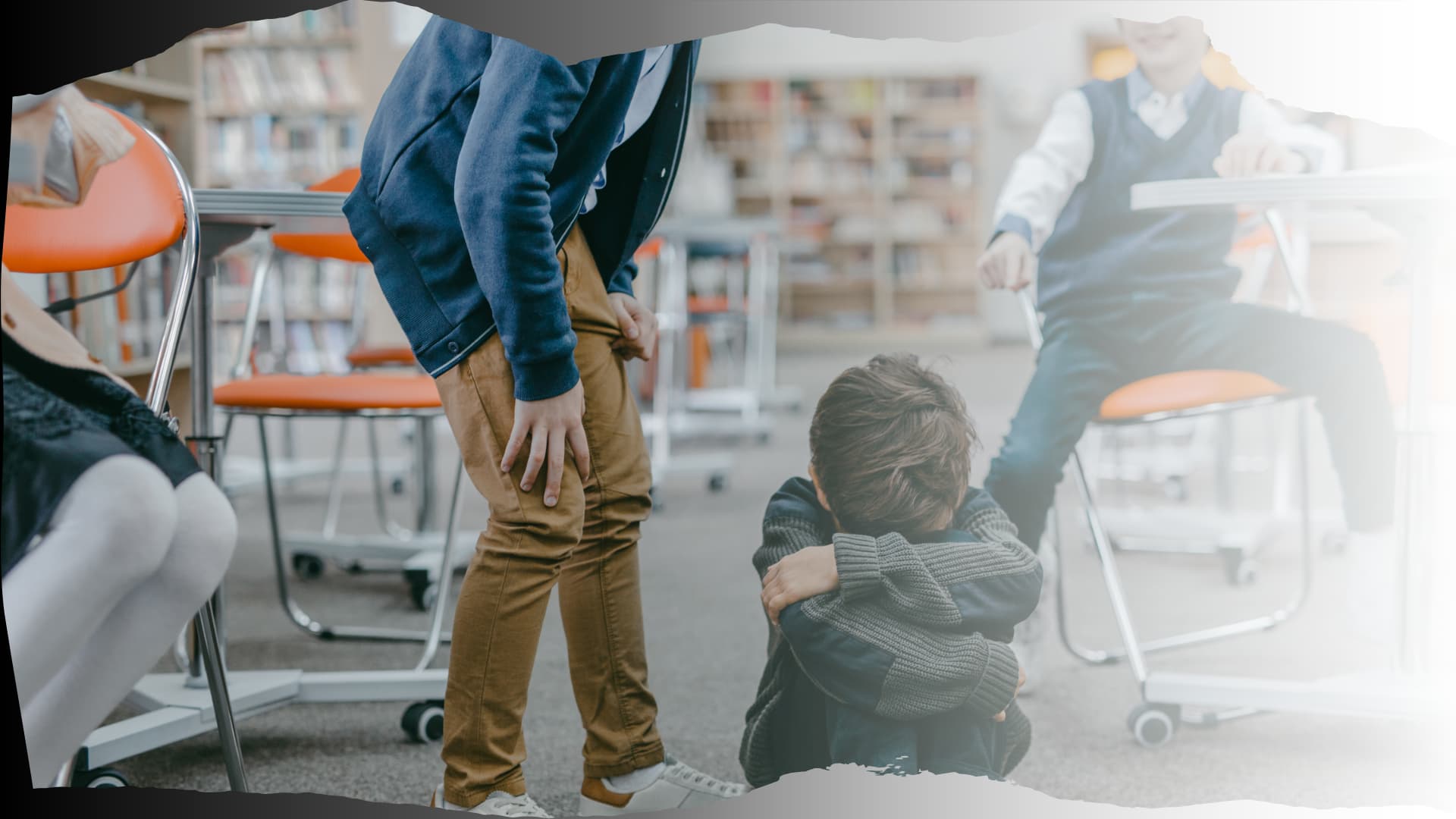
Most of us have, unfortunately, at some point in our lives been bullied, and this is an especially painful reality for children, teens and young people. In fact, it’s estimated that around 35% of young people in the UK between the ages of 10 and 15 have been bullied in-person, and almost 20% have experienced online or cyber-bullying.
Truly a heartbreaking epidemic, bullying can have long-lasting side effects on both the physical and mental health of the victim; leading to a multitude of issues such as low self-esteem, body dysmorphia, anxiety & depression and – in extreme cases – self-harm, as well as eating and sleeping disorders and PTSD.
Thankfully, awareness for the effects of bullying has increased in recent years, and there are a number of charities, initiatives, and associations working tirelessly across the UK to support victims of bullying and, ultimately, stop it; including The Anti-Bullying Alliance and the National Bullying Helpline. This, not to mention school-by-school policies on how to handle and eliminate reported events of bullying between pupils.
And, if you’re reading this blog, the chances are you have been or are being affected by bullying right now – either directly, or as the parent, guardian or loved one of a young person being bullied.
So, to help you cope with the often severe effects of bullying, understand bullying, and effectively support your loved one during this difficult time, and – if you are being bullied – find the strength to speak out and stop it, we’re using this blog to answer a question very commonly asked by young people and their loved ones: what does the bible say about bullying?
What Does The Bible Say About Bullying?
The word ‘bullying’ is a fairly modern one and, whilst we don’t find it anywhere in the bible, there is a lot of guidance for young people around how to respond to ‘brutish’ behaviour, as well as some very clear guidance around how to treat the people around us.
Firstly, throughout the bible, we are taught to love one another and treat each other with patience, kindness and understanding.
For example: “you shall love your neighbor as yourself” – Leviticus 19:18 – and “love does no wrong to a neighbor; love therefore is the fulfillment of the law” – Romans 13:1 – very clearly tell us to lead with love, as well as instructing us against vengeance or holding grudges.
1 John 4:19 is a short and very simply beautiful verse that serves to remind us: “We love because he first loved us.” – In other words, we show love to others because God loved us first.
In fact, God loves us so much that he sacrificed his son for us:
“For God so loved the world that he gave his one and only Son, that whoever believes in him shall not perish but have eternal life.” John 3:16.
This, however, does not mean that we should be permissive of evil or passive when faced with physical harm or violence; we should not accept brutish behaviour or harm to ourselves or others, and should stand up for what is right.
Exodus 22:6 tells us: “If fire breaks out and catches in thorns so that the stacked grain or the standing grain or the field is consumed, he who started the fire shall make full restitution.” – although this is literally about legal responsibility for accidental property damage, we can take from this the following musings:
- A person responsible for damage of another must make restitution
- We must love our neighbour and avoid harm through carelessness
What’s more, Nehemiah 4:14 says: “After I looked things over, I stood up and said to the nobles, the officials and the rest of the people, ‘Don’t be afraid of them. Remember the Lord, who is great and awesome, and fight for your families, your sons and your daughters, your wives and your homes.’” – instructing us to stand up for our families and our homes.
So, although we don’t have any direct guidance around bullying, the bible tells us exactly how to treat our fellow man, as well as how we should act around others, and that we should take action to protect ourselves, our loved ones and our family members.
What To Do If You Or Your Loved One Is Being Bullied
If you or your loved one is being bullied, there are a number of things you can do to protect yourself, or support them, during this difficult time:
Communication is key: if you’re being bullied, the greatest step you can take to stop it is to talk to a trusted adult; whether that be your parents or guardians, a teacher or activity leader, or family friend. If you’re the parent or guardian of a young person being bullied, talk to them! On either side of the situation, initiating a conversation about something so painful can feel really scary, but it’s the first real step to finding a solution and starting to feel better. It may take time to stop the bullying or harmful behaviour, but talking about what’s happening and how you’re feeling about it is a meaningful first step.
Involve the school or activity leader: if this is happening at school or during an after school, evening or weekend activity, let the school or organiser know. Schools have their own internal policies and processes around how to prevent and eliminate bullying or harmful behaviours; teachers and activity leaders will be able to speak to the people involved, their parents, and other teachers in order to prevent it from happening again.
Pray: talking to God is incredibly important and praying for your wellbeing and the wellbeing of others around you can help you to feel grounded, strong and confident both in your faith and your daily life which, of course, are one and the same. Taking a moment to pray can help rejuvenate your mind, body and soul.
What If My Child Is Bullying Others?
If you find that your child is bullying others, either in-person or online, please take action as soon as possible by calmly sitting them down, listening to their side of the story to understand what’s happening, and explaining to them that there are consequences to their actions; bullying is not the answer, and everyone deserves to feel safe.
If you are, or your child is, being bullied, please remember:
- We are all important
- We are all loved
- We all deserve to feel safe
- We are not alone
- Support is out there
For more advice & guidance specifically designed for young people under the age of 25, please visit our Youth Hub.
Comments