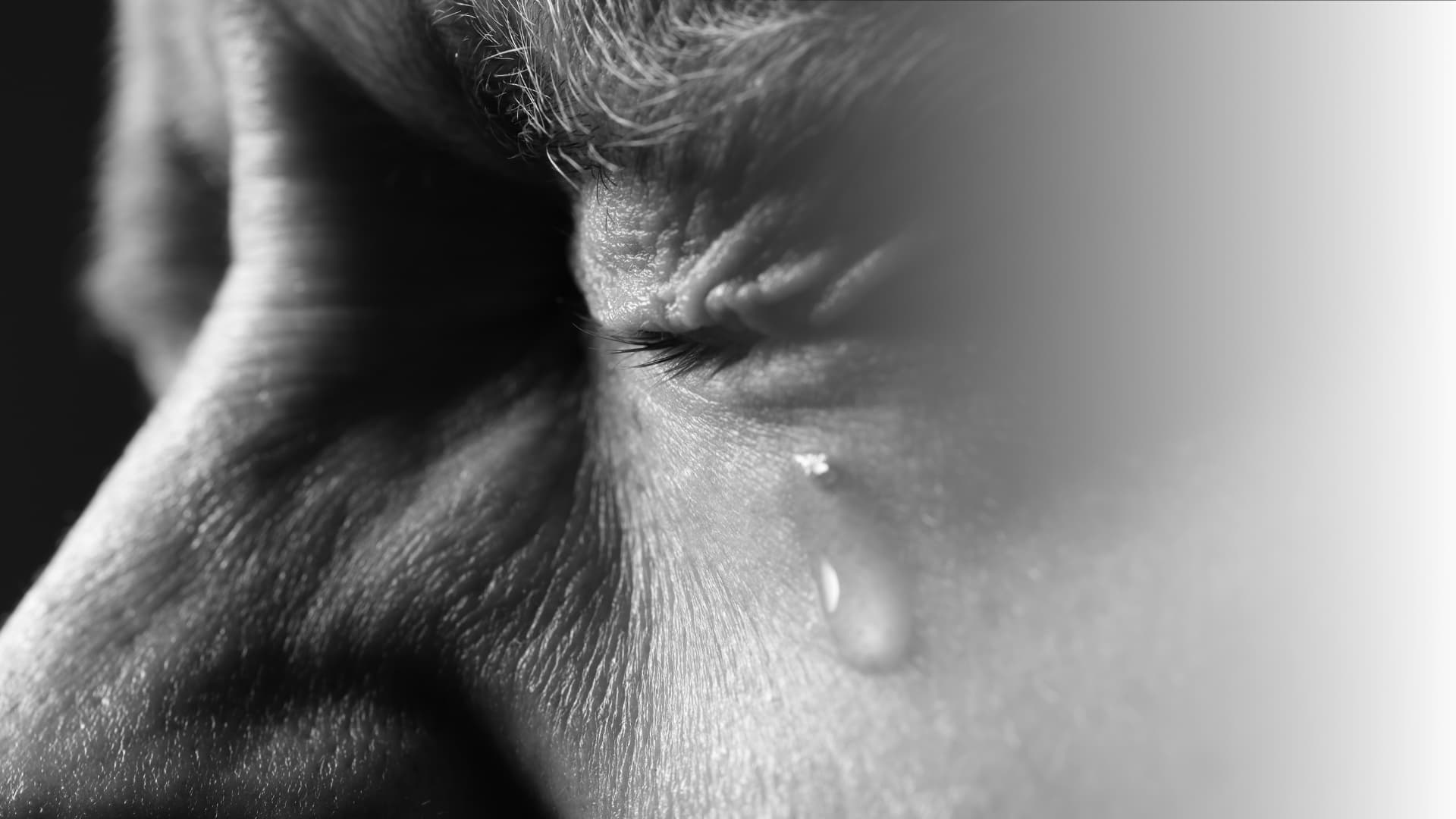
Making Sense of Tragedy: The Nepal Disaster

The Tragedies Of The Nepal Disaster And Pastor Robert Guanco’s Death If anyone says they can make sense of tragedy perhaps they’ve not truly experienced it. Yes, there are practical answers as to what, how and when it happened but not as to ‘WHY?’ Trite answers and platitudes are unhelpful. There are many types of […]

Stress

One word which can easily be associated with the modern age is stress. If you go back to pre-industrial times, it was not a term in use.  It was coined by Hans Selye in 1936, who defined it as ‘the non-specific response of the body to any demand for change’. Today, it refers to ‘a state of mental or emotional strain or tension resulting from adverse or demanding circumstances’.  It is also used by engineers to refer to ‘pressure or tension exerted on a material object’ and is useful to work out breaking points such as those used in construction.  London’s Tower Bridge opened in 1894 and is a complex feat of engineering, allowing for stresses that constantly change, responding to different loads and weather patterns.   It works as a combined drawbridge (bascule) and suspension bridge relying on ingenious hydraulics to lift each side weighing over 1000 tons in five minutes.   Ten workmen died during its construction.  Many people die today through health problems associated with stress.

good GRIEF?

Grieving the loss of a loved one is part of what it is to be human – it belongs to the ‘former things’ but it has no place in the ‘future realm’.  We must not deny grief, ours or others, but we must feel it for the mystery of emotion is like the mystery of healing.  If we have never grieved, we have never loved; if we have never loved, we have never truly lived.  The outpouring of grief touches the very heart of God and often brings a new vulnerability to intimacy with him.  Remember that darkness is as light to God for he sees everything and the darkest night is followed by the new dawn.  God moves in mysterious ways.